
FPIC AND INDIGENOUS SELF-DETERMINATION IN THE CONTEXT OF NATURE CONSERVATION
Nature conservation, in the context of establishing nature reserves, protected areas, and other forms of conservation areas, may result in potential conflicts with Indigenous Peoples (IPs), especially when no prior consultation took place, and the Indigenous Peoples’ consent were not obtained. The prohibition imposed upon the IPs from entering into, harvesting from, and in any way utilising the surrounding forests that are demarcated as protected, are examples of how nature conservation has impinged upon the right for self-determination of the IPs.
The Free, Prior, and Informed Consent (FPIC), explicitly outlined in the United Nations Declaration on the Rights of Indigenous Peoples highlights the importance of equitable and fair participation of the IPs in the governance and usage the surrounding lands. However, the interpretation and implementation of FPIC in bad faith still occurs in Malaysia. This presentation highlights the good and the bad of FPIC interpretation and implementation in Sarawak, and why FPIC is instrumental in the right of self-determination for IPs. This presentation highlights the good and the bad of FPIC interpretation and implementation in Sarawak, and why FPIC is instrumental in the right of self-determination for IPs.
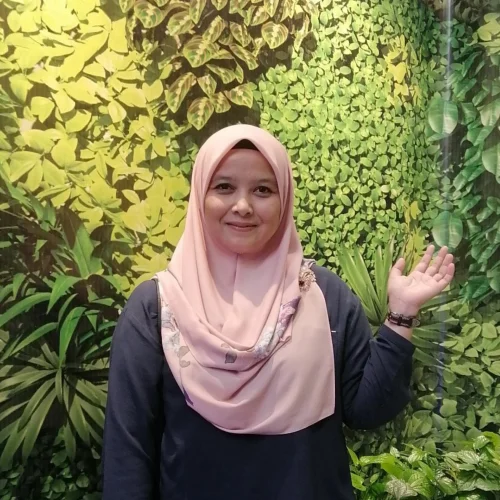
THOMAS JALONG
Save Sarawak’s Rivers Network & Jaringan Orang Asal SeMalaysia
Based in Sarawak, Malaysia. Thomas belongs to an indigenous ethnic group in Sarawak. For more than 30 years, he has worked closely with communities to promote the recognition and protection of land rights, traditional resource use, human rights, and environmental conservation in Sarawak, Malaysia, notably by strengthening networks and alliance-building among indigenous peoples at the local, national and international levels. He was until recently an executive council member of the Asia Indigenous Peoples Pact (AIPP). Thomas is a coordinating committee member of various local networks in Sarawak that advocate for the recognition and protection of indigenous customary rights to lands and resources, and for the promotion of development that is culturally appropriate, socially just and environmentally sustainable. Thomas currently serves on the Board of Directors at Save Sarawak’s Rivers Network (SAVE Rivers), and as a Vice President at the Jaringan Orang Asal SeMalaysia (a national network of indigenous peoples of Malaysia).