
RAFFLESIA AND RHIZANTHES (RAFFLESIACEAE):
THE STATE OF CONSERVATION
Over the past 35 years or so, we have witnessed an impressive and positive development in conservation biology of Raf/esia and Rhizanthes in Malaysia. In 1990 we reported the existence of a total of seven species of Rafflesia and their state of conservation, namely R. cantleyi, R. kerrii, T. pricei, R. keithii, R. tengku-adlinii,
R. tuan-mudae, and mistakenly R. arnoldii too and currently, there are a total of more than 10 species with R. azlanii, R. su-meiae, R. parvimaculata, R. hasseltii and
R. tiomanensis being new additions. In addition, we have a species of Rhizanthes,
R. infanticida (formerly identified as R. lowii) in Peninsular Malaysia and R. lowii in Sabah and Sarawak.
In Malaysia, in situ conservation efforts were incidental as the species are in Forest Reserves which are well-managed and protected by the respective Forestry Departments, but there were also direct efforts in protecting and conserving the species with the community incentive initiative schemes. In addition, there were Rafflesia Conservation sanctuaries at Poring for R. keithii and Tambunan for R. pricei and R. keithii in Sabah, for R. kerrii, R. cantleyi and R. azlanii in Peninsular Malaysia and for R. tuan-mudae and R. hasseltii in Sarawak. In this decade the conservation efforts and initiatives have been planned not only by the Forestry Departments but also by Forestry Research Institute Malaysia at Bersia, Ulu Perak, Sabah Parks, State Parks in Perak and Kelantan and private sectors, in particular Tenaga Nasional Berhad. There was a pragmatic shift in conservation strategy by various sectors and interested parties as the species have great national and state heritage value and economic potentials in ecotourism. The current state of Rafflesiaceae conservation is discussed.
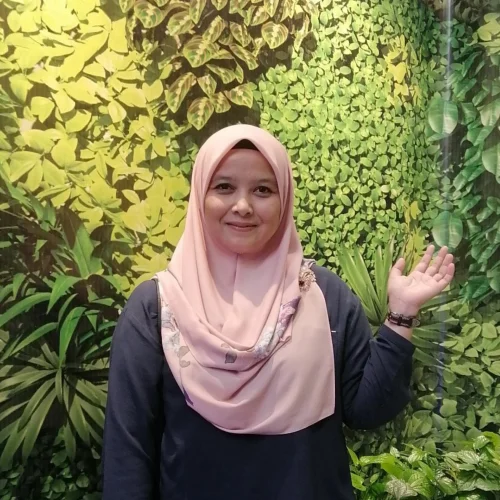
PROF. EMERITUS DATO’ DR. ABDUL LATIFF MOHAMAD
Universiti Kebangsaan Malaysia
Prof. Latiff is a respected botanist and ecologist with deep expertise in tropical forest conservation. He has conducted extensive research on plant taxonomy and forest ecology. Over his decades
-long career, he has greatly contributed to national conservational planning and academic mentorship.